
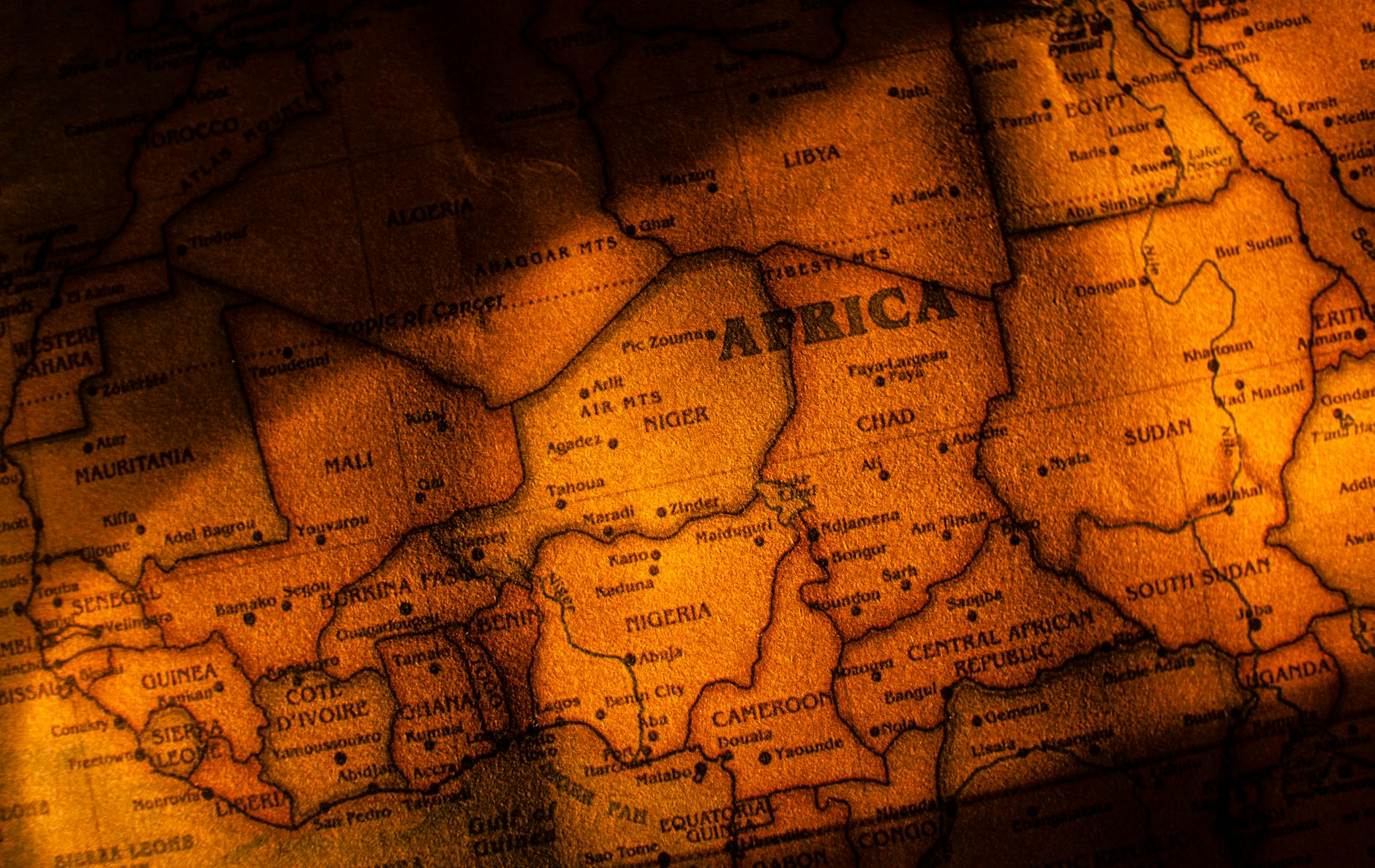
“Ingratitude”: this is the term used by President Emmanuel Macron on January 6th, during the annual conference of ambassadors. The leaders of the countries where French soldiers have intervened “against terrorism” since 2013 have “forgotten to thank us,” while “none of them would have a sovereign state today if the French army had not intervened.
The End of Françafrique?
The recent and ongoing withdrawal of French military forces from various African nations marks a pivotal shift in the continent’s geopolitical landscape. Historically, France’s military presence in Africa has been emblematic of “Françafrique,” a term denoting the enduring influence of the former colonial power over its ex-colonies. As of early 2025, this withdrawal prompts a critical examination: does France’s departure signify the end of neocolonialism, or is this influence merely being supplanted by new actors employing different strategies?
Since 2022, a wave of African nations has sought to redefine their relationships with France. Countries such as Mali, Burkina Faso, Niger, Chad, Senegal, and Ivory Coast have either terminated defense agreements or requested the withdrawal of French troops from their territories. For instance, in December 2024, Ivory Coast announced the departure of approximately 1,000 French soldiers, reflecting a broader regional trend of distancing from the former colonial power. This shift is not merely symbolic; it underscores a growing sentiment among African nations to assert sovereignty and reduce external military influence. French President Emmanuel Macron acknowledged this changing dynamic, stating that France was reevaluating its military engagements in Africa to focus more on educational and infrastructural partnerships. The end of Françafrique is now an objective reality, at least as we have known it over the years, from the era of decolonization to the present day. From a diplomatic perspective, France is no longer the international point of reference for Sahelian countries, which seek to leave behind their colonial history and look to the future with greater awareness and determination.
Emerging Influences: Russia and China
At the same time, other global powers, notably Russia and China, are expanding their footprints on the continent. Russia’s involvement has been characterized by military partnerships, often through private military contractors like the Wagner Group. In countries such as the Central African Republic (CAR), Russian operatives have provided security assistance, filling the void left by departing French forces. However, this shift has raised concerns about human rights abuses and the long-term implications of relying on mercenary forces.
China’s approach, in contrast, has been predominantly economic. Through initiatives like the Belt and Road, China has invested heavily in African infrastructure, mining, and energy sectors. While these investments have spurred economic growth, they have also led to significant debt burdens for some African nations, raising questions about economic sovereignty and the potential for a new form of dependency.
Neocolonialism Reimagined
However, the departure of French troops does not necessarily equate to the end of neocolonialism; rather, it may signify its transformation. Neocolonialism, defined as the continued economic and political influence of former colonial powers, can manifest through various channels beyond direct military presence. The increasing roles of Russia and China in Africa illustrate how external powers can exert influence through military support, economic investments, and strategic partnerships.
This evolving dynamic necessitates a nuanced understanding of sovereignty and autonomy. While the reduction of French military presence is a positive step towards self-determination, the growing influence of other powers could perpetuate external dependencies. African nations must navigate these relationships carefully to ensure that new partnerships do not replicate the exploitative patterns of the past.
The Path Forward: African Agency and Multilateralism
To truly transcend neocolonial paradigms, African countries must assert greater agency in their international engagements. This involves diversifying partnerships, strengthening regional cooperation, and building robust institutions that can negotiate equitable terms with foreign powers. Organizations like the African Union and regional blocs such as ECOWAS play crucial roles in fostering collective bargaining power and promoting policies that prioritize African interests.
Moreover, there is a need for a reevaluation of international aid and investment frameworks. Traditional aid models have often been criticized for perpetuating dependency rather than fostering sustainable development. A shift towards more reciprocal and transparent partnerships is essential, where African nations have a decisive voice in determining the terms and objectives of foreign investments.
Conclusion
The withdrawal of French military forces from Africa is a pivotal moment that offers both challenges and opportunities. While it may signal the end of a particular form of neocolonialism, the increasing presence of other global powers necessitates vigilance to prevent the emergence of new dependencies. African nations must leverage this moment to assert their sovereignty, diversify their international partnerships, and pursue development strategies that are inclusive and self-determined. Only through such proactive measures can the continent move beyond the shadows of colonial legacies and towards a future defined by true autonomy and prosperity.
Bibliography
- “French military withdrawal from West Africa (2022–present).” Wikipedia, last modified March 1, 2025.
- “Human rights expert accuses UN peacekeepers of violations in Central Africa Republic.” Associated Press, March 1, 2025.
- “Ivory Coast is latest to remove French troops as colonial power wanes.” The Times, January 3, 2025.
- “Transcript: What future for aid and development? With Minouche Shafik.” Financial Times, February 28, 2025.
- “What to Expect from Africa-China Relations in 2025.” Africa Center for Strategic Studies, January 15, 2025.
Monde Diplomatique (n.d.) ‘Out of Africa’. Available at: https://blog.mondediplo.net/out-of-africa
Leave a Reply